Felix Strobl
Keynotes on leadership, change and brain health, with live opera and real-time brainwave demonstration.
What your audience takes home
Every organisation talks about change, resilience and performance. Very few people have ever seen what pressure actually does inside the brain. Felix makes it visible, then turns it into tools your people can use the next morning.
The Resonant Leader
Change fails in the nervous system long before it fails in the strategy. Under pressure, the brain switches into protection mode: people stop listening, stop trusting and stop deciding well. With his voice and live brain data, Felix shows how leaders can regulate themselves and their teams so that change becomes possible, and what remains the decisive human skill as AI takes over more of our thinking.
All three keynotes →Your Brain on Opera
What happens inside the brain when a human voice fills a room?
Felix doesn't simply explain neuroscience. He demonstrates it. Using a wearable EEG earbud, he shows on screen, in real time, how breathing and singing change brain activity. Every keynote follows the same five-step arc:
Live EEG demonstration available from early 2027.
Bring the experience to your event →When organisations book Felix
Three signature keynotes
Booking formats
On stage with Felix
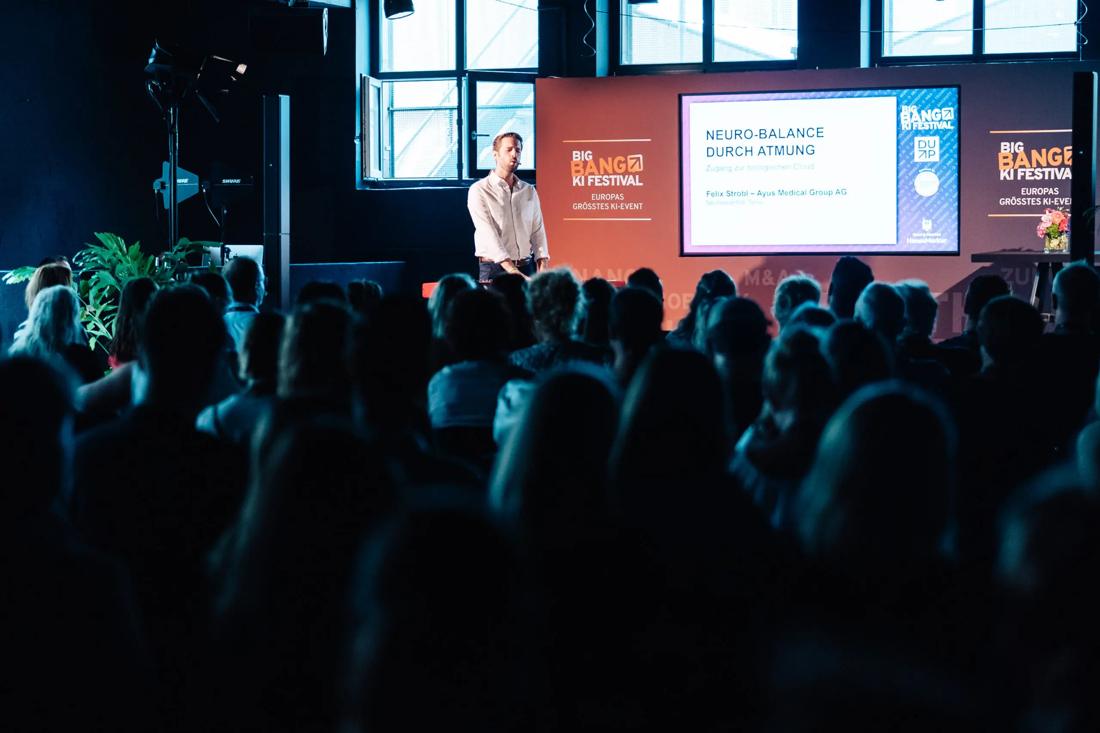
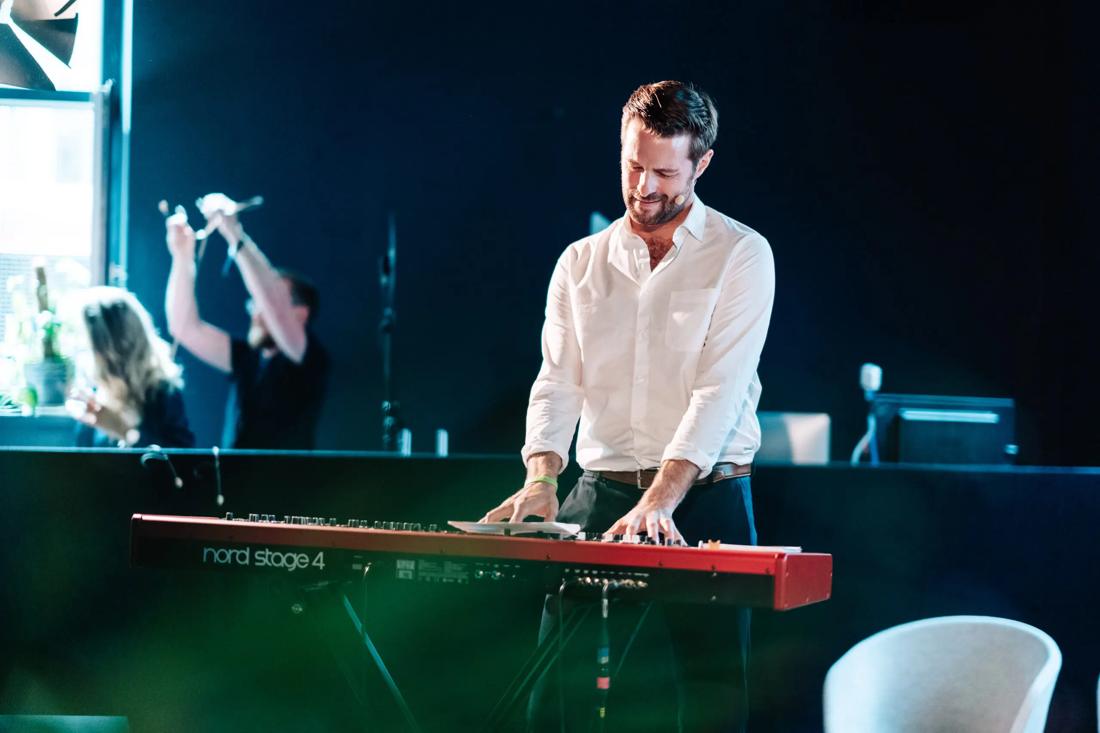
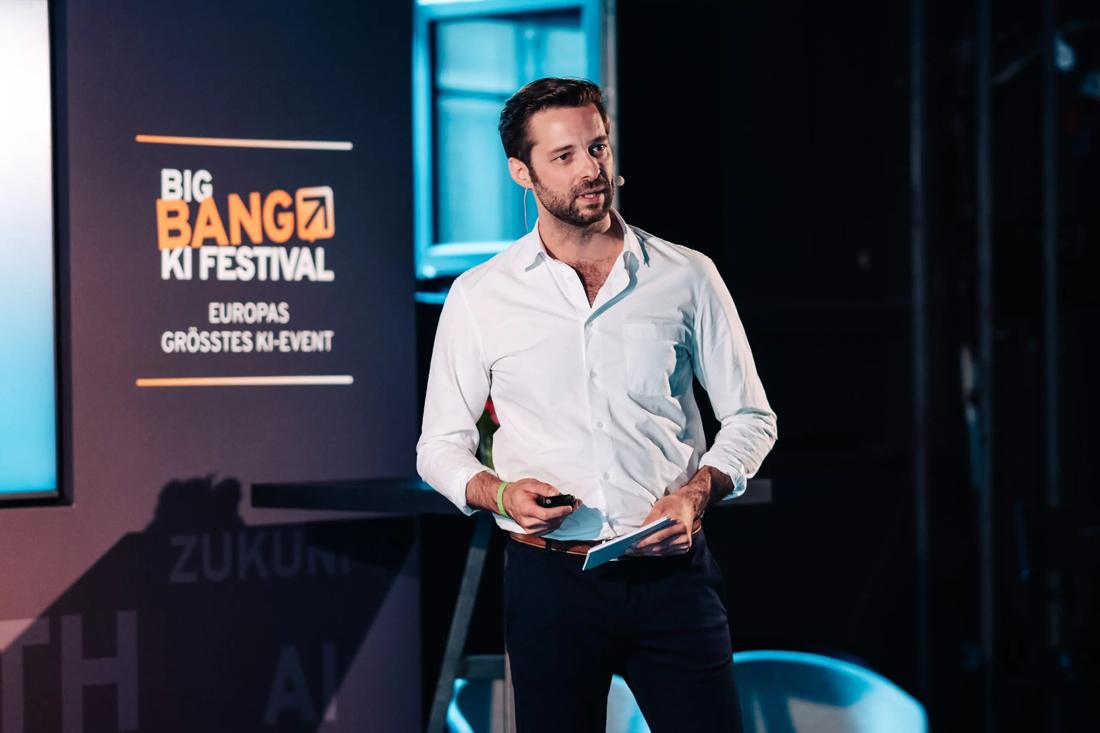
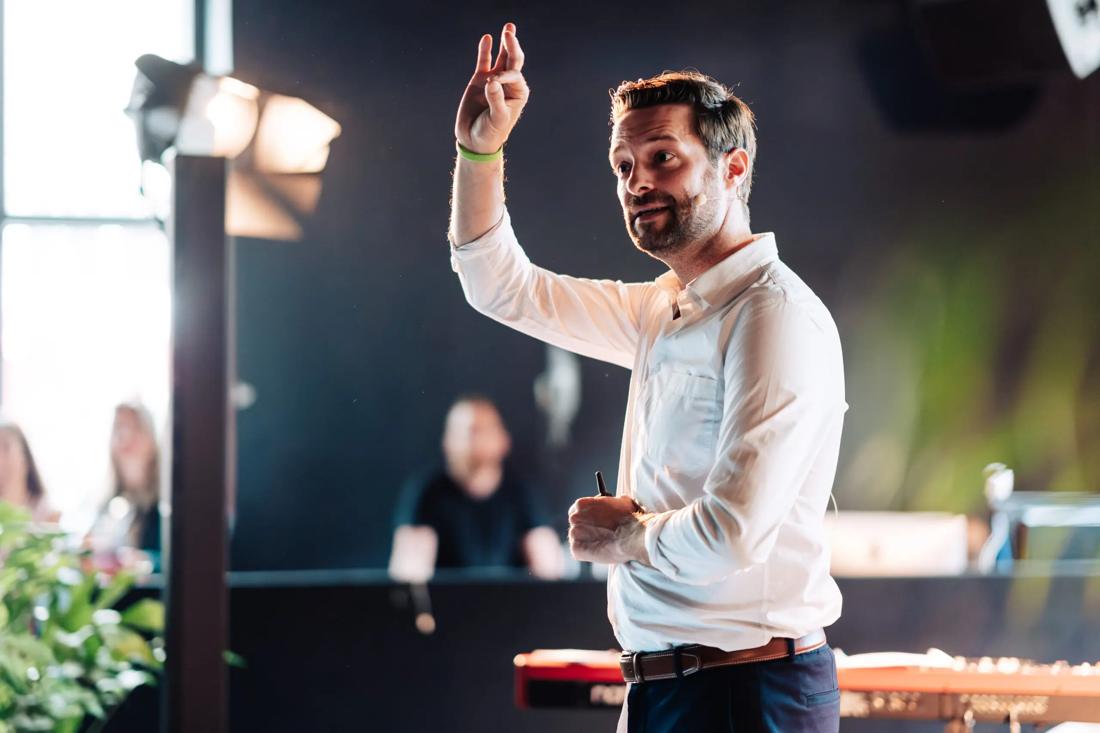
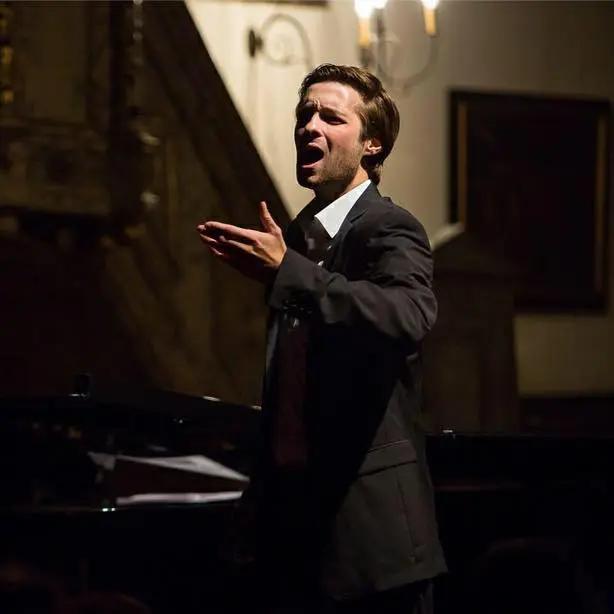
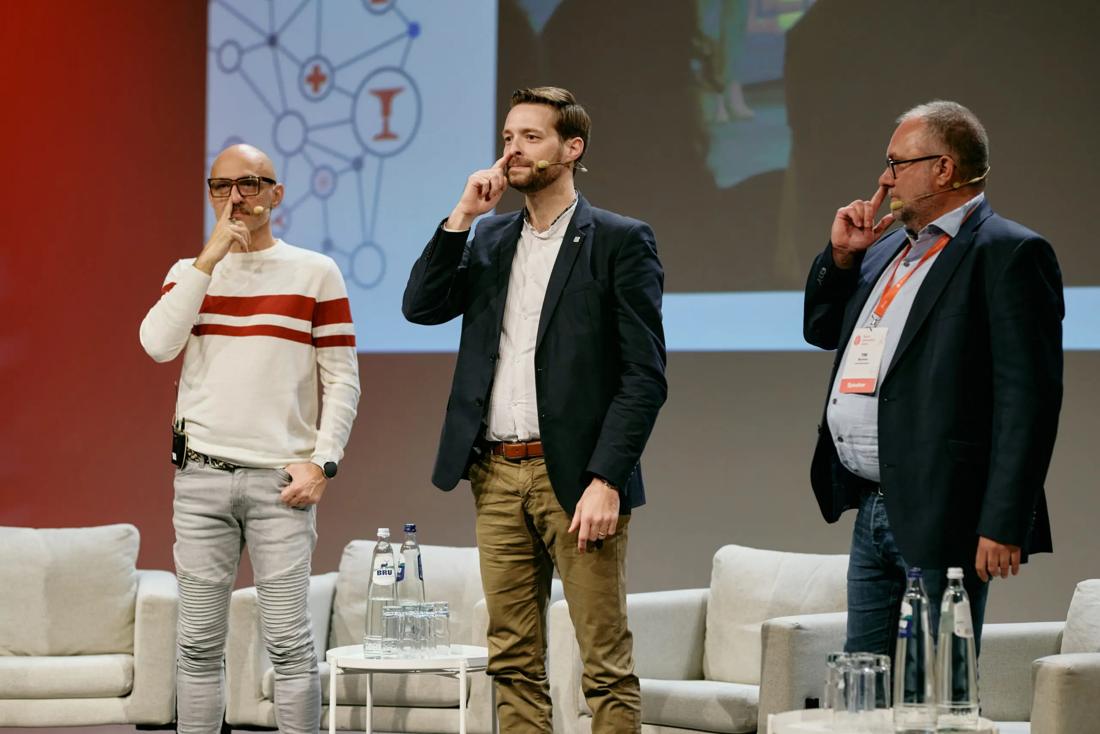
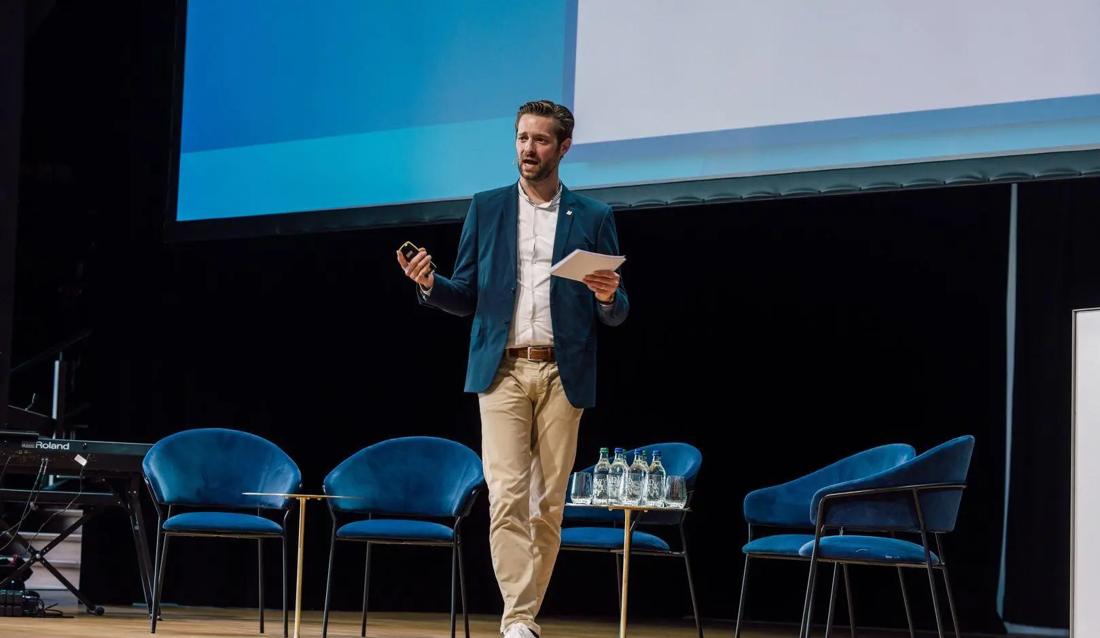
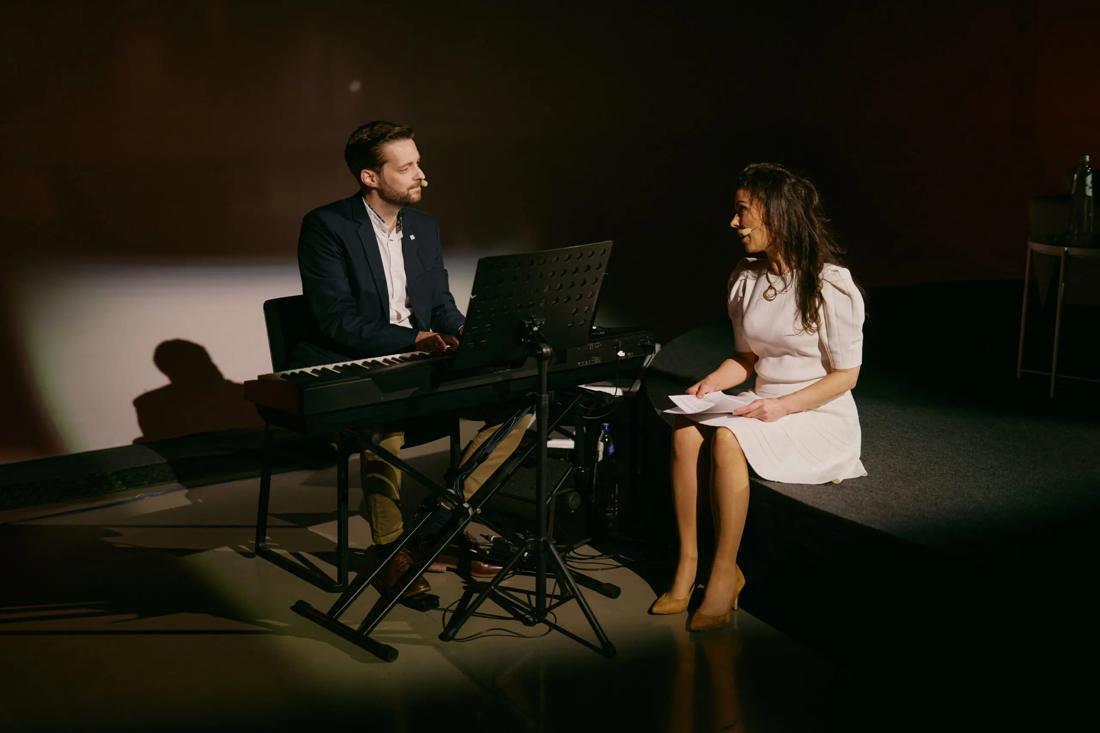
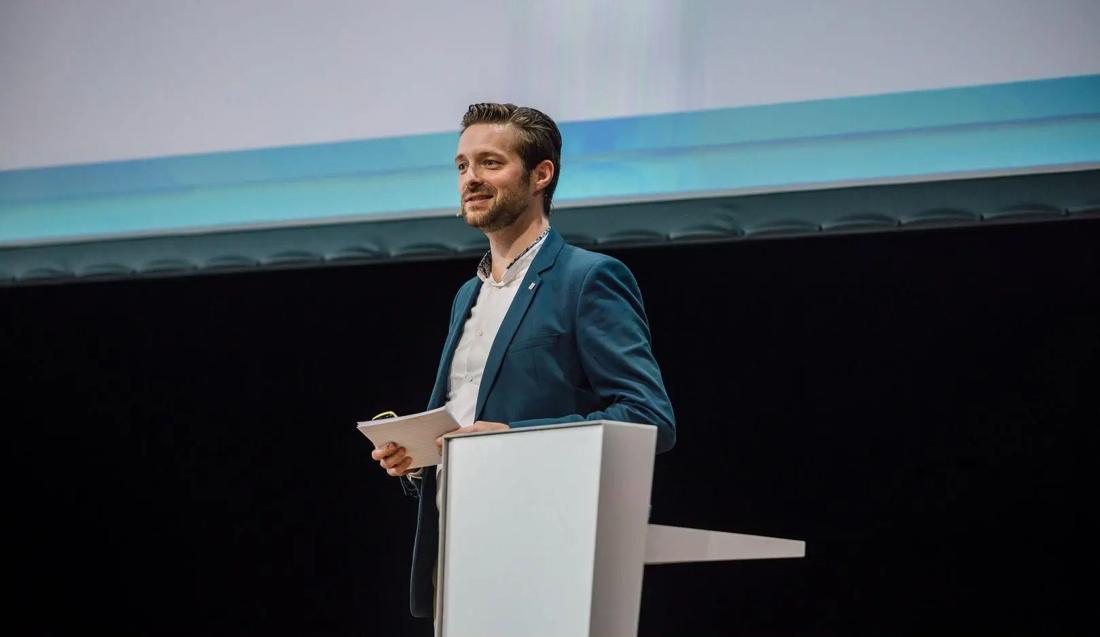
Voice, science and hands-on practice: from AI festivals and healthcare congresses to corporate learning days.
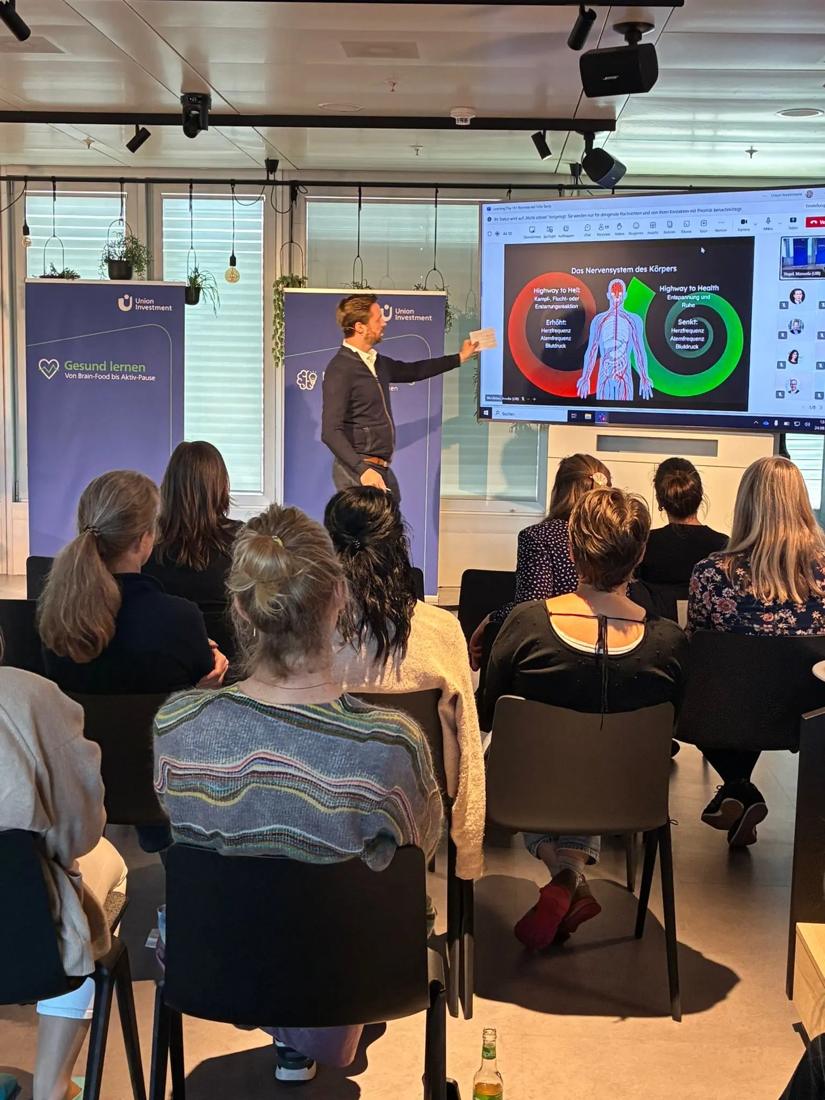
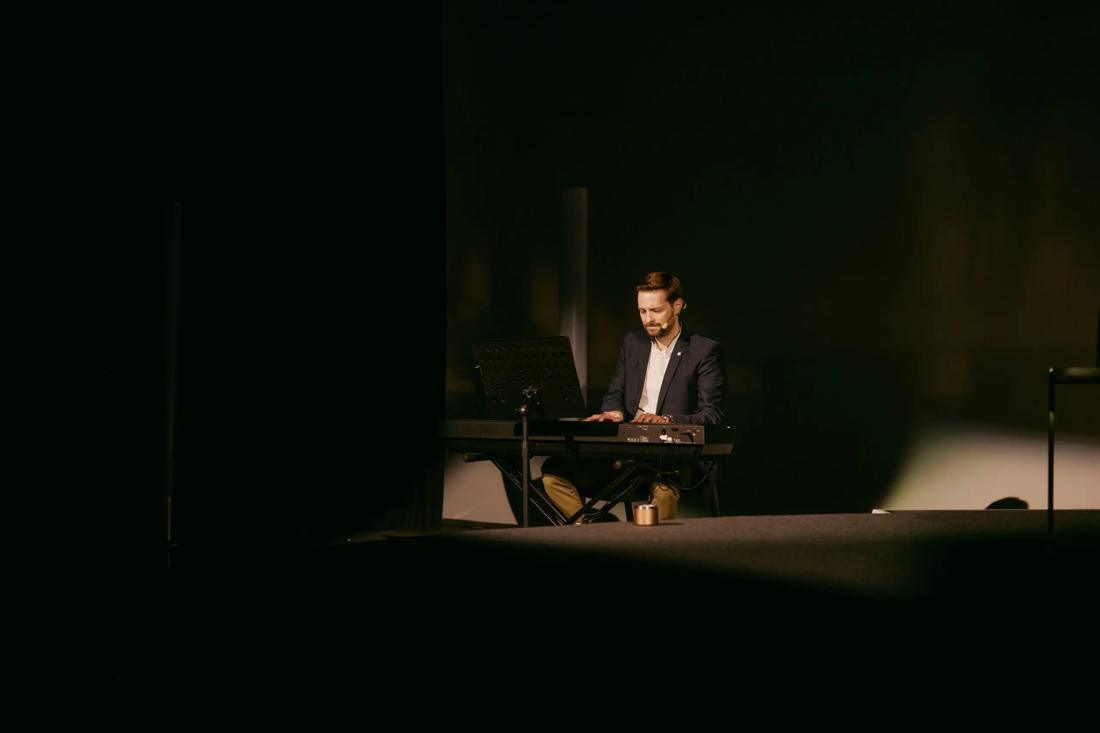
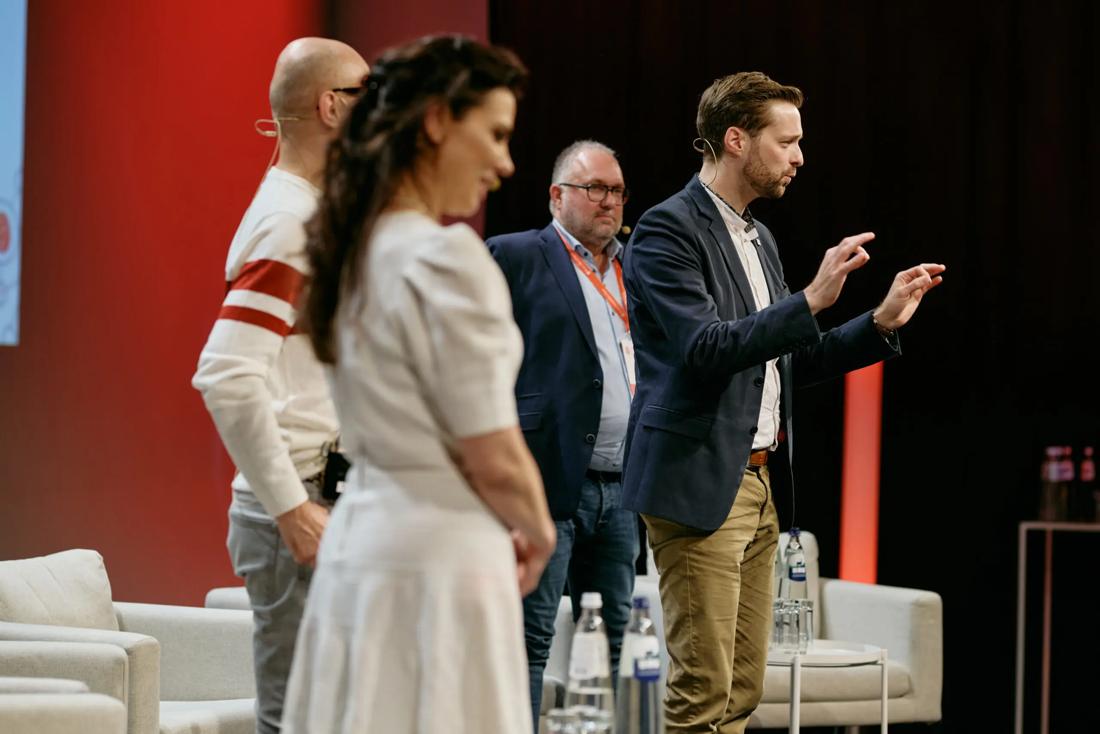
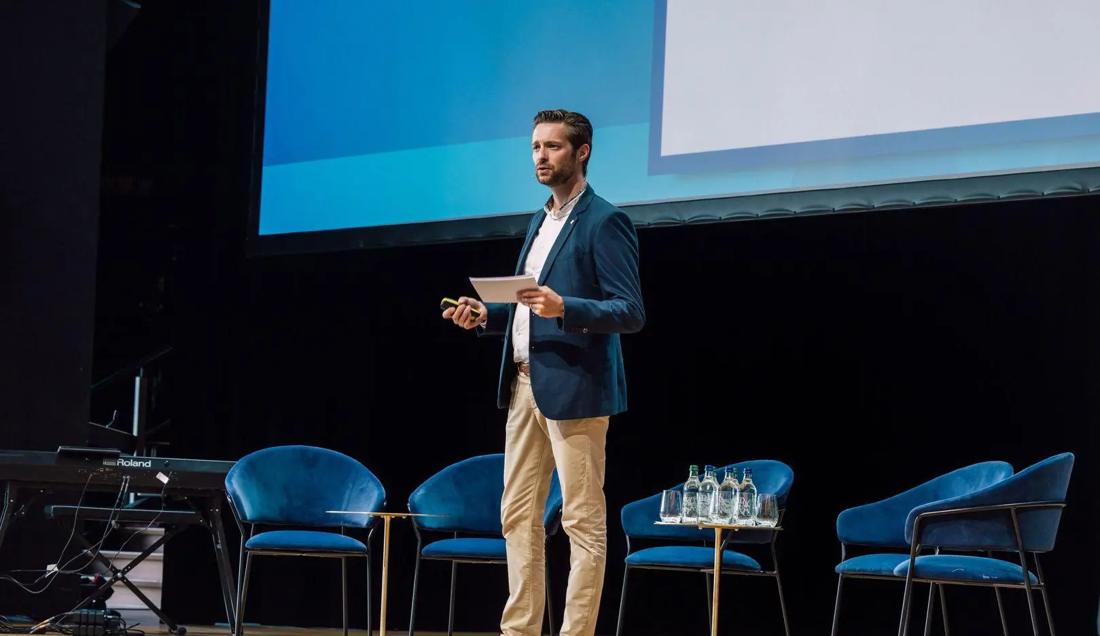
In the media
What event organizers say
Felix Strobl
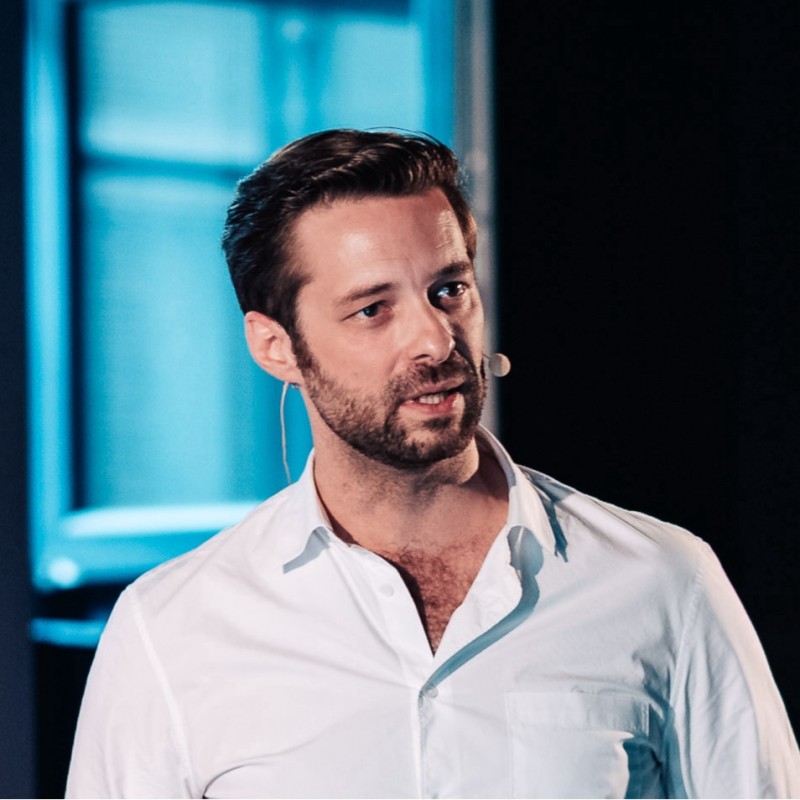
Three careers taught Felix Strobl one thing: what happens in the human nervous system when it matters most. The opera stage taught him how presence, voice and emotion move an audience. The emergency service taught him how people decide under real pressure, in seconds, with no second chance. Neuroscience gave him the why.
He studied neuroscience at King's College London (IoPPN) and serves as Innovation Advisor at the Centre for Healthy Brain Ageing and Ageing Research at King's (ARK). He is a Research Fellow of the European Society of Preventive Medicine, where he co-edited the fourth edition of the "Longevity" book.
He initiated MEA (Music, Emotion, Breathing), a Swiss project exploring how singing and breathing can support people recovering from Long COVID. Today he brings all three worlds together on stage, as a classically trained tenor who can show an audience, live, what their own brain is doing.